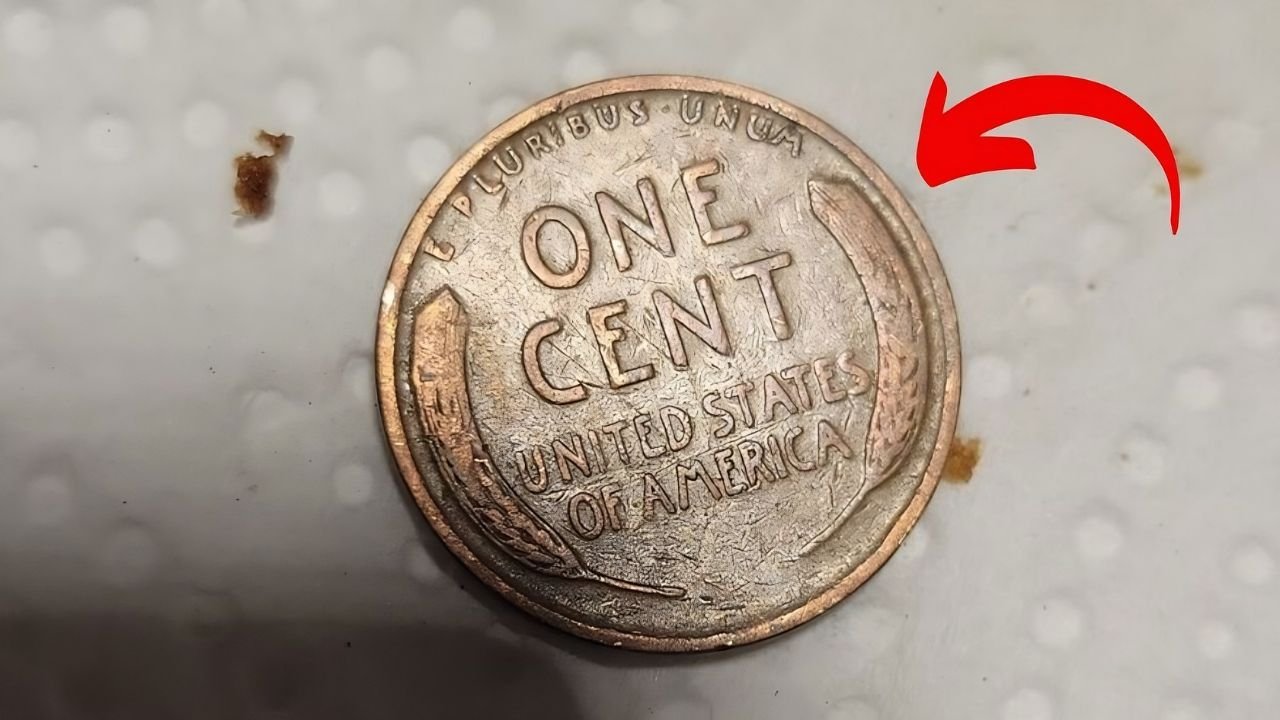
The Lincoln Wheat Penny Valued at $960K: Could your pocket change be hiding a small fortune? For collectors and everyday people alike, the answer might be yes. A rare Lincoln Wheat Penny, valued at up to $960,000, has captured attention across the numismatic world—not just for its worth, but because it may still be in circulation.
What Is the $960,000 Penny?
The coin in question is a 1943-D Bronze Lincoln Wheat Penny, minted in Denver. In that year, due to World War II, the U.S. Mint produced pennies using zinc-coated steel to conserve copper for ammunition and military supplies.
However, a few bronze planchets (used in earlier years) accidentally made it into production. The result: a tiny number of 1943 bronze pennies were minted, including one from the Denver Mint—making it one of the rarest Lincoln pennies ever produced.
Only one known 1943-D bronze penny has been authenticated, and it sold for $960,000 at auction.
Why It’s So Valuable
The high value of this penny comes down to extreme rarity, minting error, and historical context. It’s not just a coin—it’s a wartime mistake that survived decades unnoticed. The “D” mint mark (Denver) combined with the wrong metal type makes it even more unique.
The condition of the coin also plays a key role—uncirculated or near-mint specimens are worth the most.

Could It Still Be Out There?
Possibly. While most have been snapped up by collectors or verified by grading services, experts believe a few could still be hiding in old coin collections, inherited jars, or forgotten drawers. The 1943-D bronze penny wasn’t known to exist until one surfaced in the 1970s.
That means it’s not out of the question that another could still be circulating undetected.
How to Spot the $960,000 Penny
Here’s what to check:
-
Date: 1943
-
Mint Mark: Look for a small “D” below the date (for Denver Mint)
-
Color: A genuine bronze penny is reddish-brown, not the silver color of steel

-
Magnet Test: Bronze is not magnetic—if it sticks, it’s steel
-
Weight: Bronze pennies weigh 3.11 grams; steel ones weigh about 2.7 grams
If your 1943-D penny matches these signs, it’s time to call an expert.
What to Do If You Think You Found One
-
Don’t clean or alter it – this can lower the value.
-
Store it safely in a coin sleeve or protective holder.
-
Contact a professional grading service like PCGS or NGC for authentication.
-
Consider a valuation or auction with a reputable dealer or house.
Final Thoughts
The idea that a coin worth nearly a million dollars might be sitting unnoticed in a jar or pocket change is both thrilling and very real. The 1943-D Bronze Lincoln Wheat Penny stands as a reminder that history, error, and luck can create something truly priceless.
So next time you get a handful of change—take a closer look. Your next penny might just be worth a fortune.
FAQs The Lincoln Wheat Penny Valued at $960K, Still in Circulation?
Why is the 1943-D Lincoln Wheat Penny worth $960,000?
It was mistakenly struck in bronze instead of steel during WWII. Only one confirmed example from the Denver Mint is known to exist, making it incredibly rare and valuable.
How can I tell if I have the rare 1943-D bronze penny?
Check for a 1943 date with a small “D” mint mark and a copper color. It should not stick to a magnet and weigh about 3.11 grams.
Is it really still in circulation?
Possibly. Experts believe some may still be undiscovered in coin collections, old jars, or even loose change.
What should I do if I think I found one?
Don’t clean it. Store it safely and have it authenticated by a professional coin grading service like PCGS or NGC.