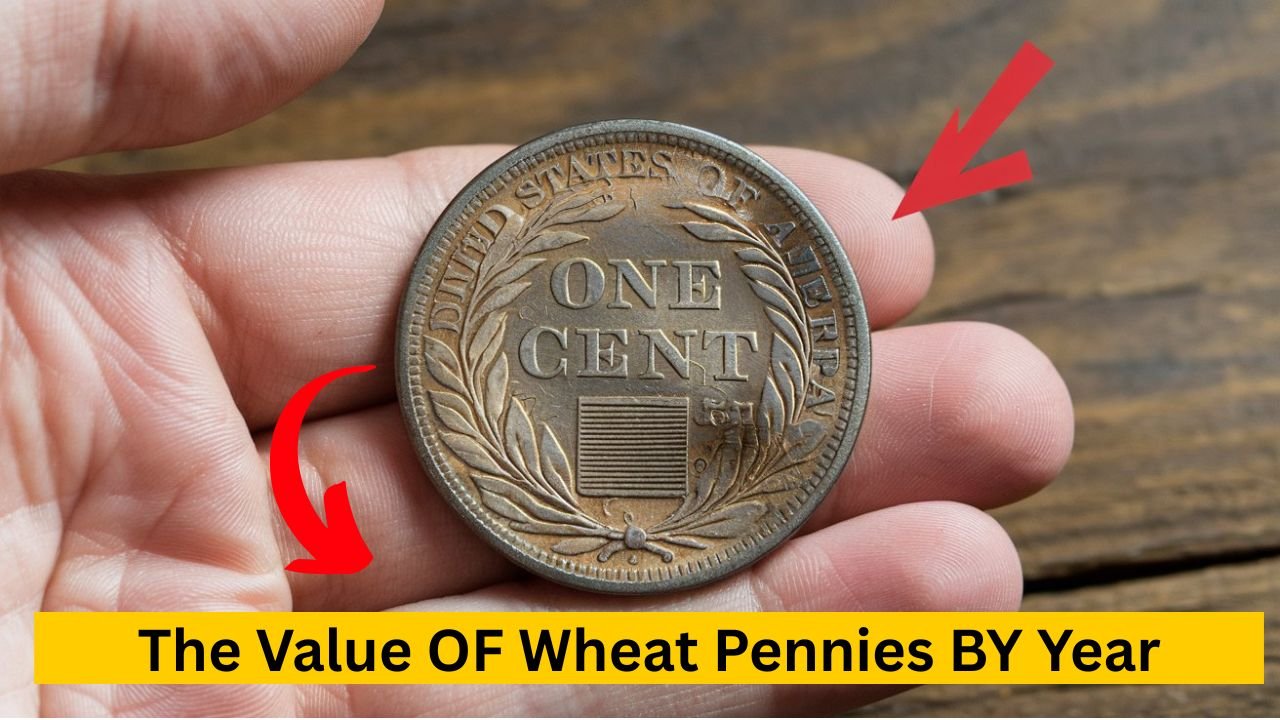
The Value OF Wheat Pennies BY Year: Wheat pennies, officially known as Lincoln Wheat Cents, were minted in the United States from 1909 to 1958. While most are worth just a few cents above face value, certain years and mint marks can be worth hundreds or even thousands of dollars. Whether you’re a beginner or a seasoned coin collector, knowing which years carry higher value is key to spotting hidden treasures in your pocket change or coin jar.
What Makes a Wheat Penny Valuable?
Several factors affect a wheat penny’s value:
- Year of minting
- Mint mark (D for Denver, S for San Francisco, no mark for Philadelphia)
- Condition/grade of the coin
- Rarity (low mintage or errors)
Wheat Penny Values by Year (Select Highlights)
| Year | Mint Mark | Circulated Value | Uncirculated Value | Notes |
|---|---|---|---|---|
| 1909 | No mint | $2 – $12 | $30+ | First year of issue |
| 1909-S | VDB | $750 – $1,500 | $2,500+ | Rare & highly sought after |
| 1914-D | D | $200 – $2,500 | $5,000+ | One of the rarest |
| 1922 | No D | $500 – $4,000 | $10,000+ | Only known year with missing mint mark |
| 1931-S | S | $40 – $100 | $150+ | Low mintage |
| 1943 | D/S/No | $0.10 – $1.00 | $5 – $10 | Common steel cents |
| 1943 | Bronze | $60,000 – $200,000+ | $1M+ (MS) | Ultra-rare error coin |
| 1944 | Steel | $75,000+ | $100K+ | Transitional error – very rare |
| 1955 | No mint | $1 – $20 | $50 – $1,000+ | Famous doubled die error |
| 1958 | Doubled Die | $20,000+ | $100,000+ | One of the rarest errors |
| 1958-D | D | $0.05 – $0.25 | $2 – $10 | Common final year |
Wheat Penny Value by Year (Key Dates & Highlights)
Here’s a breakdown of notable Wheat pennies by year and what they’re worth in circulated condition (values can be much higher for mint-state grades):
1909
1909 VDB: $5–$12
1909-S VDB: $700–$2,000+ (key date)
1909-S (no VDB): $100–$300

1910–1919
1914-D: $200–$1,000+ (very rare)
1917 Doubled Die Obverse: $150–$1,200
Common dates (1910–1919): $0.20–$5 depending on condition
1920–1929
1922 (No D): $500–$3,000+ (extremely rare, Denver mint error)
Most other dates: $0.10–$2
1930–1939
1931-S: $70–$200

1936 Doubled Die: $100–$1,000+
Other dates: $0.05–$1.50
1940–1949
1943 Steel Cents (zinc-coated steel): $0.10–$0.50
1943 Copper (error): $100,000+ (extremely rare — check with magnet; copper won’t stick)
Most 1940s: $0.05–$0.25
1950–1958
Common dates: $0.05–$0.20
1955 Doubled Die Obverse: $1,000–$2,500+ (very popular error coin)
Tips for Collectors
Check the back: If it has wheat ears on both sides, it’s a Wheat penny.
Look for mint marks below the date: D = Denver, S = San Francisco, blank = Philadelphia.
Use a magnifying glass to spot doubling or other mint errors.
Store valuable finds properly in coin flips or albums to avoid damage.
Final Thoughts
While most Wheat pennies are common, a few rare ones are worth serious money. With a bit of knowledge and attention to detail, you might uncover a small fortune hiding in plain sight. Whether you’re coin roll hunting or just sorting through grandpa’s old jar, always keep an eye out for those key dates — one coin could change your collection (or your bank account) forever.